Brake care for a discerning driver is never a rushed decision at the service counter—it is a deliberate, informed practice. When your vehicle’s ability to stop is at stake, “good enough” becomes a phrase you retire permanently. This guide is crafted for owners who expect their braking system to operate not just safely, but with quiet precision and composure, mile after mile.
Below, you’ll find a refined look at brake repair decisions, including five exclusive insights that go beyond the standard advice and speak directly to drivers who value elevated safety, subtle performance clues, and long-term mechanical integrity.
Understanding What a Proper Brake Repair Really Includes
Most repair invoices say “brake job,” but the quality of what happens behind that phrase can vary dramatically. A truly competent brake repair is not limited to swapping out pads and sending you on your way. It should include a careful inspection of rotors, calipers, brake lines, hoses, fluid condition, wheel bearings, and even hardware such as shims and clips. A premium approach also considers how you drive—urban stop‑and‑go, highway touring, towing, or spirited canyon routes—and matches materials to that reality, not to a one‑size‑fits‑all parts list.
Equally important is the technician’s method. Proper cleaning of hub surfaces, correct torque on lug nuts, and adherence to the manufacturer’s sequence when tightening components all influence how smoothly and quietly the brakes perform. A well-executed repair will also address brake fluid condition, since neglected fluid can silently undermine the entire system. When the work is done, you should receive more than a receipt; you should receive a clear explanation of what was found, why certain parts were chosen, and how long you can reasonably expect them to last under your specific driving conditions.
The Anatomy of Premium Brake Components
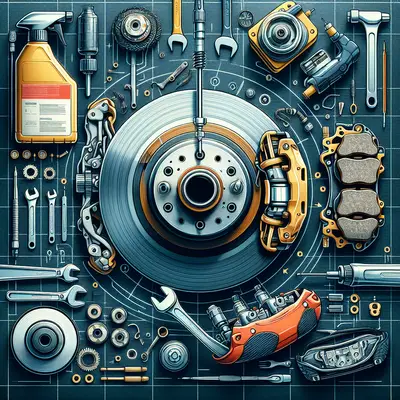
To appreciate a quality repair, it helps to understand what separates premium components from budget alternatives. Brake pads, for example, come in several material formulations—ceramic, semi‑metallic, and low‑metallic being the most common. Higher‑end pads often feature chamfered edges, precision‑cut slots, and multi‑layer shims that together reduce noise, improve pedal feel, and control heat more effectively. The difference is subtle in a single stop, but striking after thousands of miles.
Rotors, too, are not all created equal. Premium rotors maintain tighter tolerances for thickness variation and runout, which in practical terms means less vibration, fewer steering wheel shudders, and a smoother, more predictable braking experience. Corrosion‑resistant coatings on non‑friction surfaces help maintain appearance and protect hub interfaces. Even hardware—clips, abutment plates, anti‑rattle shims—plays a role in how quietly and evenly your brakes operate. For the owner who values a calm cabin and consistent stopping character, component quality is not an indulgence; it is a safety and comfort investment.
Exclusive Insight #1: The “First Stop of the Day” Test
Many drivers evaluate their brakes during a hard stop, yet one of the most revealing moments is actually the very first gentle brake application after the car has been sitting overnight. As you roll out of your driveway or parking space, lightly press the brake pedal and pay attention to three things: pedal travel, initial bite, and noise.
Pedal travel should be consistent with what you are used to: not spongy, not surprisingly short and abrupt. Initial bite—the moment the pads first start to slow the vehicle—should be smooth and linear, with no hesitation or sudden grab. Any graunching, scraping, or rhythmic thumping this early in the day can suggest rotor irregularities, pad glazing, or uneven pad deposits. While a faint surface rust scrub on a damp morning can be normal, recurring roughness, especially if it’s consistent on dry days, deserves a professional inspection. Cultivating this quiet daily test helps you detect subtle changes far earlier than waiting for dashboard warnings or obvious squeals.
Exclusive Insight #2: Brake Feel as a Temperature Gauge
Brake systems live in a world of heat management. A refined driver learns to interpret pedal feel as a stand‑in for temperature, even without instruments. Under normal conditions, a well‑maintained system offers a firm, predictable pedal from the first stop to the last on a typical drive. When heat becomes a concern, the first sign is often a gradual softening of the pedal or a sense that it takes more distance to achieve the same deceleration.
If you drive in mountainous regions, tow a trailer, or engage in performance driving, notice how your brakes respond toward the end of a demanding descent or spirited session. A pedal that feels slightly longer, or a braking response that is less immediate, can indicate heat‑soaked pads or fluid beginning to approach its limits. Rather than dismissing this as “just how it is in the hills,” treat it as feedback that your pad compound, rotor design, or brake fluid specification may not be matched to your usage. An informed discussion with a qualified technician about higher‑temperature pad formulations or performance‑rated brake fluid can transform both safety and confidence in demanding conditions.
Exclusive Insight #3: Matching Brake Fluid Strategy to Your Driving Style
Brake fluid is one of the most overlooked elements of brake repair, yet it has a profound impact on safety. Over time, brake fluid absorbs moisture from the air, lowering its boiling point and increasing the risk of vapor bubbles forming under heavy braking—a phenomenon that can cause a suddenly soft or sinking pedal. While many manufacturers suggest multi‑year intervals, those recommendations assume average driving in moderate conditions.
If you commute in heavy traffic, live in a humid climate, or drive in hilly terrain where brakes work harder, it is prudent to shorten fluid service intervals. A more refined strategy is to think in terms of use, not calendar years: frequent hard braking, towing, or city congestion all justify more regular fluid inspection and replacement. Ask your service provider whether they test the fluid’s boiling point or moisture content rather than simply inspecting color, which is a poor indicator on its own. Treating brake fluid as a performance and safety component—rather than an afterthought—helps ensure that the rest of your carefully selected hardware can operate at its best.
Exclusive Insight #4: The Subtle Value of Proper Bedding‑In
Even the best pads and rotors will underperform if they are not correctly bedded‑in (also called “burnishing”). This process gradually mates the pads to the rotors and establishes an even, stable transfer layer of friction material on the rotor surface. When done properly, it enhances braking consistency, reduces the likelihood of judder, and can significantly extend component life.
Many owners assume this occurs automatically, but rushed city driving immediately after a brake job—hard stops, aggressive braking, or abrupt heat cycles—can create irregular deposits that mimic warped rotors. A more refined approach is to follow a controlled bedding‑in routine over the first 200–300 miles: moderate stops from varying speeds, plenty of cooling time between braking events, and avoidance of emergency‑style hard stops unless absolutely necessary. If your shop provides performance‑oriented service, ask whether they pre‑bed pads and how they recommend you drive during the initial break‑in period. This small investment of discipline early on pays dividends in smoothness and longevity.
Exclusive Insight #5: Evaluating Shops by Their Questions, Not Their Price
When choosing where to have brake work performed, it is tempting to compare packaged prices. Yet the true marker of a premium brake service provider is not the advertised “special,” but the quality of the questions they ask and the thoroughness of their inspection. A shop that inquires about your driving environment, mileage patterns, upcoming trips, towing habits, and sensitivity to noise or dust is signaling that they intend to tailor your repair, not merely install the most convenient parts.
Observe how they communicate their findings: Do they show you worn components, explain thickness measurements, and differentiate between “mandatory now” and “prudent soon”? Are they willing to discuss OEM versus reputable aftermarket options, and can they justify their recommendations with manufacturer data or recognized standards? A high‑caliber shop will view you as a partner in safety, not a transaction to be hurried. Selecting such a provider means your brake system is managed with the same thoughtfulness you bring to your own driving.
When to Insist on an Immediate Brake Evaluation
Even a cautious driver can be tempted to postpone service when life becomes busy, but certain signs deserve immediate attention. A dashboard brake warning light, especially when combined with changes in pedal feel, is non‑negotiable and warrants prompt inspection. Grinding or metal‑on‑metal sounds point to pads worn down to their backing plates, which can quickly damage rotors and compromise stopping power. Sudden pulling to one side under braking, a rapidly sinking pedal, or a noticeable burning smell after ordinary stops all suggest conditions that go beyond routine wear.
Discerning owners also pay attention after any incident that might stress the braking system—striking a curb hard, driving through deep floodwater, or experiencing an unusually long, hot descent. Even if the brakes appear functional afterward, scheduling a professional check can uncover early damage before it evolves into a safety threat. In this sense, brake evaluations become less about reacting to obvious failures and more about pre‑emptively protecting the vehicle’s most important safety system.
Building a Personal Brake Safety Standard
Over time, it is helpful to define your own brake safety standard—a personal benchmark that sits above the legal minimum. This might include a proactive inspection schedule, a preferred shop that maintains a history of your braking components and fluid services, and a willingness to replace parts before they reach absolute wear limits. Maintaining a simple log—date of last brake job, pad type installed, fluid service date, and mileage—gives you a clear picture of where you stand at any moment.
This standard also includes your own driving habits. Progressive braking, maintaining generous following distances, and anticipating traffic flow not only reduce wear and heat but also preserve your margin for error. When you align premium components, meticulous service, and considered driving, brakes cease to be a source of anxiety. Instead, each stop becomes a quiet confirmation that your vehicle is operating exactly as you intended: controlled, composed, and ready for whatever the road presents next.
Conclusion
Confident braking is not a coincidence; it is the outcome of informed choices, careful maintenance, and an insistence on quality in both parts and workmanship. By paying attention to the subtle cues—how your brakes feel on the first stop of the day, how they behave under heat, how your fluid is managed, how new parts are bedded‑in, and how thoughtfully your chosen shop engages with you—you elevate brake repair from a routine expense to a considered safety practice.
For the driver who values refinement as much as reliability, these exclusive insights form a quiet but powerful advantage. Every smooth, predictable stop becomes a reflection of the care you invest in the system you rely on most.
Sources
- [National Highway Traffic Safety Administration (NHTSA) – Brakes and Brake Safety](https://www.nhtsa.gov/equipment/brakes) - Federal guidance on brake safety, performance expectations, and related recalls
- [U.S. Department of Transportation – Brake Fluid Safety Information (FMVSS 116)](https://www.ecfr.gov/current/title-49/subtitle-B/chapter-V/part-571/section-571.116) - Technical standards governing brake fluid performance and classifications
- [AAA – How to Know When You Need Brake Service](https://www.aaa.com/autorepair/articles/how-to-know-when-you-need-brake-service) - Practical overview of brake wear symptoms and service considerations
- [Bridgestone / Firestone – Types of Brake Pads and Their Differences](https://www.firestonecompleteautocare.com/blog/brakes/types-of-brake-pads/) - Explanation of brake pad materials and how they affect noise, performance, and longevity
- [University of Nebraska–Lincoln – Brake System Inspection Guide](https://operations.unl.edu/employee-safety/brake-system) - Educational resource detailing brake system components and recommended inspection practices
Key Takeaway
The most important thing to remember from this article is that this information can change how you think about Repair Guides.