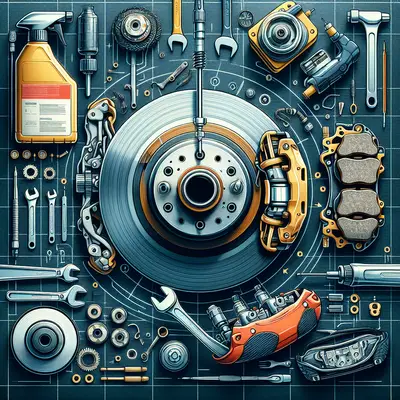
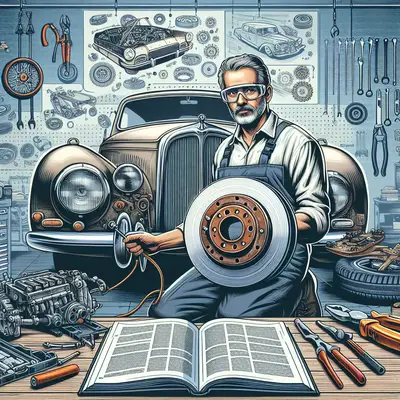
Confidence in your brakes is not a luxury; it is the quiet foundation of every decisive maneuver you make behind the wheel. For discerning drivers, brake repair is not merely a reaction to a warning light or an annual inspection—it is an informed, deliberate practice. This guide is designed for those who demand more than “good enough,” offering a structured, premium perspective on how to approach brake repair with clarity, precision, and exceptional safety in mind.
Understanding Brake Repair as a System, Not a Single Job
Most repair conversations focus on singular tasks—“pad replacement,” “rotor machining,” “fluid flush.” A refined approach recognizes these as interconnected components of a larger safety system.
Your braking system is a choreography of friction (pads and rotors or shoes and drums), hydraulics (master cylinder, brake lines, calipers, wheel cylinders), and control systems (ABS, stability control, brake assist). Treating repair as a system means:
- Matching pad material to driving style and vehicle (ceramic vs. semi-metallic vs. organic) rather than accepting whatever is on the shelf.
- Evaluating rotors for thickness variation, runout, and heat damage—not just visible grooves.
- Considering the age and condition of brake fluid and rubber components (hoses, seals, dust boots) whenever hardware is serviced.
- Confirming that ABS and stability control sensors are clean, properly mounted, and free from wiring damage after any wheel-end work.
This systems mindset transforms brake repair from a quick fix into a calibrated restoration of stopping performance.
Five Exclusive Insights for the Exceptionally Safety-Conscious Owner
For drivers who care deeply about brake safety, the difference is in the details. These five insights are often overlooked in standard repair discussions yet carry real-world implications for performance and peace of mind.
1. Brake Feel Is a Diagnostic Clue, Not Just a Preference
The way the pedal feels under your foot is more than a matter of comfort; it is a highly sensitive diagnostic instrument if you learn to interpret it.
- A gradually softening pedal over weeks often points to moisture-contaminated brake fluid or a minor internal leak.
- A low pedal that firms up when “pumped” may indicate air in the lines or excessive pad-to-rotor clearance.
- A high, overly sensitive pedal could stem from mismatched pad compounds or improperly lubricated caliper slide pins.
Cultivate the habit of noticing changes, not just extremes. Documenting pedal feel (for example, after a fluid change or pad replacement) creates a practical reference point should an issue develop later.
2. Heat Management Is the Hidden Currency of Brake Longevity
Heat silently determines whether your brakes age gracefully or fail prematurely. Every stop converts kinetic energy into thermal energy, and poorly managed heat will reveal itself as warped rotors, glazing, or fading performance.
Sophisticated owners pay attention to:
- Rotor design: Vented vs. solid, and whether high-performance slotted or drilled rotors are appropriate for their usage, not just for appearance.
- Driving pattern: Long downhill stretches, urban stop‑and‑go, and towing amplify heat stress and may justify upgraded pads, fresh fluid intervals, or even larger rotor packages.
- Cool-down behavior: Avoiding prolonged pedal pressure after aggressive braking (for example, stopping hard and then sitting at a light with the pedal clamped) can reduce hotspot formation and rotor warping.
What appears to be “mysterious” premature wear is often simply heat management that has not been thoughtfully addressed.
3. Brake Fluid Is a Safety Component, Not an Afterthought
Many owners vigilantly track oil changes yet overlook brake fluid for years. This is a quiet but meaningful safety compromise.
Brake fluid is hygroscopic—it absorbs moisture over time. That moisture:
- Lowers the fluid’s boiling point, increasing the risk of vapor lock and a spongy pedal under heavy braking.
- Encourages internal corrosion in calipers, ABS modules, and the master cylinder, turning simple repairs into expensive replacements.
For most drivers, a 2–3 year interval for a full fluid exchange is a prudent standard, and more frequent service is wise for vehicles that tow, live in humid climates, or experience heavy stop‑and‑go use. Request documentation of fluid type (DOT 3, DOT 4, or DOT 5.1) and verify that it meets or exceeds your vehicle manufacturer’s specification.
4. Hardware Quality and Installation Technique Matter as Much as the Pads
Premium pads and rotors can only perform to their potential if the supporting hardware and installation standards are equally refined.
Discerning drivers insist on:
- New hardware: Stainless steel abutment clips, anti-rattle clips, and high-quality shims included and installed rather than reused or discarded.
- Proper lubrication: High-temperature synthetic brake lubricant applied sparingly to slide pins and pad contact points—never on friction surfaces.
- Clean mounting surfaces: Rust and debris removed from hub faces and caliper bracket surfaces to ensure proper alignment and eliminate runout-caused pulsation.
- Correct torque: Caliper bracket bolts, caliper slide pins, and wheel lug nuts tightened with a torque wrench, not an impact-only guess.
Many “mystery noises” and premature wear issues trace back not to bad parts, but to hurried installation.
5. Precision Road Testing Is Part of the Repair, Not an Optional Courtesy
An elegant brake repair is incomplete without a controlled, thoughtful road test. This is where theory meets asphalt.
A proper post-repair evaluation should include:
- Low-speed checks (5–20 mph) in a safe area to listen for abnormal noises, verify straight-line braking, and confirm pedal response.
- Medium-speed stops (30–45 mph) to feel for vibration, pulsing, or uneven application.
- ABS verification: A firm stop on a surface with good traction to ensure the ABS engages predictably without unusual noises or warning lights.
- Bedding-in of new pads and rotors using a structured sequence of moderate stops to mate surfaces and stabilize friction characteristics.
When you pick up your vehicle, do not hesitate to ask how the brakes were bedded in and what the technician specifically evaluated on the road test. Your standards set the tone for the work you receive.
Selecting the Right Brake Repair Partner
Not every repair facility is aligned with a premium standard of brake work. As an informed owner, your questions and expectations quietly shape the outcome.
Consider asking:
- “What brands or specifications of pads and rotors do you use, and how do they compare to the original equipment?”
- “Will all related hardware (clips, shims, slide pins) be inspected and replaced as needed?”
- “Do you measure rotor thickness and runout, or only inspect visually?”
- “How often do you recommend brake fluid service for my driving conditions, and do you use fluid meeting my vehicle’s OEM specification?”
Look for shops that speak comfortably about torque specs, measurement tools, and testing procedures—not just part prices. You are not purchasing “brakes”; you are investing in a calibrated safety system and the expertise required to maintain it.
Elevating Routine into Assurance
Brake repair will always involve bolts, fluid, and friction material—but for the careful driver, it also involves standards, questions, and habits. By viewing your brakes as a finely tuned system, paying deliberate attention to pedal feel and heat, respecting brake fluid as a critical safety component, insisting on meticulous hardware and installation, and valuing a disciplined road test, you transform a routine service into a confident, repeatable safety practice.
The reward is subtle yet unmistakable: a vehicle that responds precisely when you ask it to, and a level of assurance that lingers long after the repair invoice is filed away.
Sources
- National Highway Traffic Safety Administration (NHTSA) – Brakes and Safety Systems – Overview of braking system safety, regulatory standards, and component roles.
- U.S. Department of Transportation – Federal Motor Vehicle Safety Standards – Official regulations governing vehicle brake system performance and compliance.
- AAA – How to Know When You Need New Brakes – Practical guidance on brake wear indicators, noise, and maintenance considerations.
- Bendix Brakes – Brake Fluid and System Care – Technical information on brake fluid properties, moisture absorption, and service intervals.
- Continental – Brake System Fundamentals – Detailed explanation of modern hydraulic and electronic brake system components and their interactions.
Key Takeaway
The most important thing to remember from this article is that this information can change how you think about Repair Guides.