For discerning drivers, true luxury is not stitched leather or ambient lighting—it is the quiet certainty that, when you ask your car to stop, it will do so with composure and precision. Understanding your brake system at a deeper level transforms maintenance from a chore into an act of stewardship. This is the kind of attention that preserves not only performance, but also peace of mind at every press of the pedal.
Understanding the Modern Brake System as a Single, Cohesive Instrument
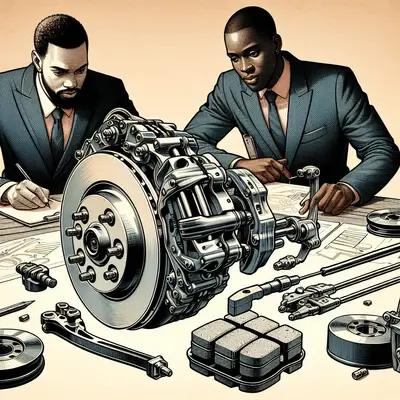
Most drivers think of brakes as a collection of parts—pads, rotors, calipers. In reality, your brake system is a single, tightly integrated instrument designed to translate intention into controlled deceleration. At its core sits the master cylinder, converting pedal pressure into hydraulic force, distributing it with remarkable finesse to each wheel. Anti-lock braking systems (ABS), electronic brake-force distribution (EBD), and stability control refine this process further, constantly measuring grip, wheel speed, and vehicle load.
This orchestration means a minor weakness in one component can subtly diminish the entire experience. Slightly contaminated fluid can lengthen pedal travel. Lightly warped rotors can introduce vibrations that your steering wheel telegraphs back to your hands. Under-spec pads can fade under repeated hard stops, quietly eroding your margin of safety. Approaching your brakes as a unified system—rather than a series of unrelated fixes—leads to better decisions, longer-lasting components, and a more composed, predictable driving feel.
Five Exclusive Insights for Drivers Who Take Brake Safety Seriously
For owners who value exactness and quiet confidence, the difference is in the details. These five insights move beyond basic “check your pads” advice and into the realm of refined brake care.
1. Brake Feel Is a Diagnostic Signal, Not a Preference
Many drivers speak of a “firm” or “soft” pedal as if it were a matter of taste, like steering weight or seat cushioning. In reality, pedal feel is one of the most valuable diagnostic signals your car offers. A gradually softening pedal over months may indicate fluid contamination or internal master cylinder wear. A pedal that pulses under moderate braking can hint at rotor thickness variation or an ABS event compensating for marginal traction.
The sophisticated driver learns their car’s normal braking signature and notices deviations early. A slightly longer pedal travel in the morning, a delayed initial bite when exiting the highway, a faint vibration only at certain speeds—these are all subtle messages. Treat them as early indicators, not annoyances to be ignored until they become obvious (and expensive) problems.
2. Brake Fluid Has a “Use By” Date Even If You Drive Gently
Because brake fluid is hidden, it is often forgotten—yet it plays a decisive role in every stop you make. Most modern vehicles use glycol-based DOT 3, 4, or 5.1 fluid, all of which are hygroscopic: they gradually absorb moisture from the air. As water content rises, the boiling point drops, increasing the risk of vapor formation under heavy braking and causing a soft, spongy pedal.
Even if you rarely brake aggressively, moisture can quietly corrode internal components—calipers, ABS valves, and the master cylinder itself. A premium approach is to view brake fluid as a service item tied to time, not just mileage. Having the fluid professionally tested or changed at the interval recommended by the manufacturer (often every 2–3 years) preserves the precise pedal feel and consistent performance that define well-maintained brakes.
3. Pad and Rotor “Character” Matters as Much as Lifespan
Most shop conversations about pads and rotors center on durability and cost. For the driver who values refinement, those are only two of several important attributes. Different pad compounds offer different personalities: some engage with a crisp initial bite at light pedal pressure, others are tuned for a more progressive, linear feel. High-friction pads may shorten stopping distances but generate more dust or noise; touring-oriented pads might offer whisper-quiet operation with a more gradual response.
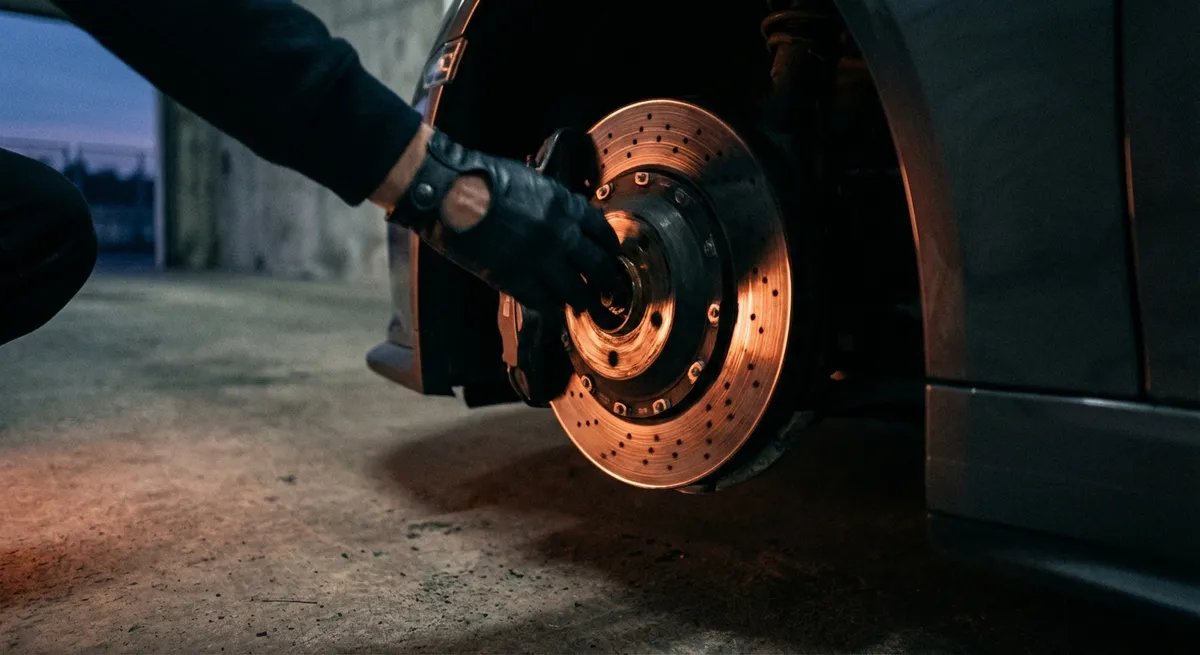
Rotors add their own characteristics—vented, slotted, or high-carbon designs manage heat and resist fade differently. Taking a moment to discuss your driving style and priorities (quietness, cleanliness of wheels, high-speed stability, or repeated mountain descents) with a knowledgeable technician can yield a brake setup that feels tailored rather than generic. The result is not only safer, but also more satisfying in daily use.
4. The “Break-In” of New Brakes Is a Precision Step, Not a Formality
When new pads and rotors are installed, their surfaces must be carefully mated so they function as a matched pair. This process—often called bedding or burnishing—is far more than a ceremonial first drive. During bedding, controlled stops at specific speeds gradually transfer a uniform layer of pad material onto the rotor face. Done correctly, it enhances consistency, reduces noise, and helps prevent judder or vibration down the line.
Skipping or rushing this step can imprint uneven pad material, leading to hot spots, mild pulsation, and diminished refinement. A premium brake install is incomplete without a proper bedding procedure, whether performed by the shop or following the manufacturer’s instructions on a quiet, safe road. For a driver who demands a glass-smooth, confident braking experience, this is non-negotiable.
5. Tire and Suspension Condition Quietly Dictate Your Real-World Stopping Power
It is easy to think of braking power as something generated entirely by the brake system, but your ultimate stopping distance is shared between brakes, tires, and suspension. Your brake components merely manage speed; your tires manage grip. Worn, aged, or seasonally mismatched tires can easily add several car lengths to an emergency stop, even if your pads and rotors are brand new.
Similarly, tired shocks and struts allow the vehicle to pitch forward excessively, compromising stability and the effectiveness of electronic systems like ABS and stability control. For the careful owner, a brake inspection that ignores tires and suspension is incomplete. Insisting on a holistic safety check—pad life, rotor condition, fluid quality, tire tread and age, and suspension health—aligns with a more elevated view of what “good brakes” actually means on the road.
Subtle Indicators That Your Brakes Deserve Your Attention
While grinding noises or dashboard warning lights are obvious red flags, refined brake care is about recognizing the quieter precursors to trouble. A slight shimmy under light braking from highway speeds can be an early sign of rotor irregularity. A high-pitched chirp at low speed may be a wear indicator, thoughtfully engineered to alert you before metal-to-metal contact occurs. A faint burning smell after repeated downhill braking might suggest overheating and the beginning of pad fade.
Paying attention to these subtle cues enables interventions when they are still simple and relatively inexpensive. Scheduling an inspection at the first hint of change—rather than waiting for clear failure—protects the integrity of more complex components like ABS modules and calipers. It also ensures that your experience behind the wheel remains composed and predictable, never frantic or uncertain.
Elevating Routine Maintenance into a Safety Ritual
Turning brake care into a refined ritual rather than a reactive task starts with mindset. Instead of visiting the workshop only when something feels “wrong,” many meticulous owners align brake checks with other key vehicle moments: seasonal tire changes, annual safety inspections, or pre-road-trip preparations. At these times, a brief, targeted review of pad thickness, rotor condition, brake lines, fluid quality, and warning codes builds a continuous safety record for the vehicle.
Choosing reputable parts and skilled technicians is part of this discipline. Documenting services, keeping invoices, and confirming that work aligns with the manufacturer’s specifications creates a traceable maintenance history that benefits you now and any future owner later. Above all, it affirms that your approach to driving is not casual, but considered—an expression of responsibility as much as taste.
Conclusion
Brakes are the most understated yet consequential system on your vehicle. Approaching them with the same discernment you apply to technology, comfort, or design reshapes the entire driving experience. By reading pedal feel as a signal, respecting fluid and component quality, insisting on correct bedding procedures, and considering the quiet influence of tires and suspension, you move beyond basic upkeep into true brake stewardship.
This is the difference between merely stopping and stopping with authority and grace. For drivers who value composure under pressure, refined brake care is not an indulgence—it is the foundation of every confident mile.
Sources
- National Highway Traffic Safety Administration (NHTSA) – Vehicle Safety and Brakes - Federal guidance on brake safety, component function, and related recalls
- U.S. Department of Transportation – Brake System Basics - Overview of key vehicle safety systems, including braking and stability control
- Federal Trade Commission – Auto Repair Basics - Guidance on working with repair shops and understanding recommended services
- AAA – Understanding Your Vehicle’s Braking System - Consumer-focused explanation of brake components and maintenance practices
- University of Nebraska–Lincoln – Brake Fluid Properties and Maintenance - Technical discussion of brake fluid characteristics, contamination, and service intervals
Key Takeaway
The most important thing to remember from this article is that this information can change how you think about Brake Systems.