Most drivers settle for “good enough” when it comes to brake care. The discerning driver does not. For those who regard control, composure, and safety as non‑negotiable, brake maintenance becomes less a chore and more a quiet standard of excellence. This is where subtle habits, careful observation, and informed decisions converge to keep every stop as deliberate as every acceleration.
The Hidden Story in Your Brake Pedal
Your brake pedal is a constant narrator, telling you more about system health than any dashboard light. Yet its nuances are often ignored.
Begin by noticing the initial bite: does braking feel crisp and immediate, or soft and delayed? A gradually lengthening travel distance or a “spongy” feel can signal air in the brake lines, moisture‑contaminated fluid, or internal component wear long before performance degrades dramatically. Equally revealing is pedal consistency: a firm pedal that suddenly becomes softer under the same pressure can indicate fluid boiling or a compromised hydraulic circuit.
Make a practice of evaluating pedal feel at the same low‑speed conditions weekly—such as the final stop entering your driveway or garage. Use identical light-to-moderate braking, and pay attention to changes over time rather than single events. Subtle shifts that many dismiss as “normal aging” often mark the early onset of avoidable problems.
This deliberate focus turns every drive into a quiet diagnostic session, enabling you to schedule maintenance on your terms, not in response to a sudden failure.
Temperature Discipline: Respecting Heat Before It Becomes Damage
Brake systems are designed to manage heat, but they are not indifferent to how that heat is created. Repeated high‑speed stops, spirited mountain drives, or aggressive urban braking can push pads, rotors, and fluid toward their thermal limits.
Temperature discipline begins with avoidance: look further ahead in traffic, ease off the accelerator earlier, and allow the car’s natural deceleration to assist the brakes. On longer downhill stretches, select lower gears to use engine braking where appropriate, reducing continuous pedal pressure that can overheat pads and rotors.
After demanding driving—such as descending a steep grade or an enthusiastic back‑road run—resist the impulse to stop and hold the pedal firmly for extended periods. Clamping hot pads against equally hot rotors invites uneven cooling and can contribute to thickness variation or subtle warping. Instead, allow a short, gentle cool‑down drive with light braking before parking.
This disciplined approach doesn’t merely prolong component life; it preserves braking consistency, helping prevent fade, vibration, and the subtle loss of confidence that occurs when your brakes no longer feel impeccably composed under pressure.
Fluid as a Precision Component, Not an Afterthought
Brake fluid is often treated as a background detail, yet it is the lifeblood of the system. Hygroscopic fluids—such as DOT 3, DOT 4, and many DOT 5.1 formulations—gradually absorb moisture from the environment. Over time, this lowers the fluid’s boiling point and increases corrosion risk within lines, calipers, and master cylinders.
Rather than waiting for a scheduled service interval alone, adopt an enthusiast’s perspective: verify which specification your vehicle manufacturer recommends, and respect it without improvisation. Upgrading to a higher performance fluid is only appropriate when it meets or exceeds factory requirements and is compatible with seals and system design; mixing incompatible fluid types can be more harmful than helpful.
For drivers who demand consistent brake feel, a proactive fluid flush at intervals aligned with manufacturer guidance—or slightly earlier for vehicles driven in humid climates or under demanding conditions—offers tangible benefits. Fresher fluid maintains firm pedal response, resists fade during repeated stops, and reduces long‑term internal corrosion.
The refined driver treats brake fluid like a precision instrument, maintained intentionally rather than replaced only when a problem appears.
The Geometry of Contact: Pads, Rotors, and Even Wear
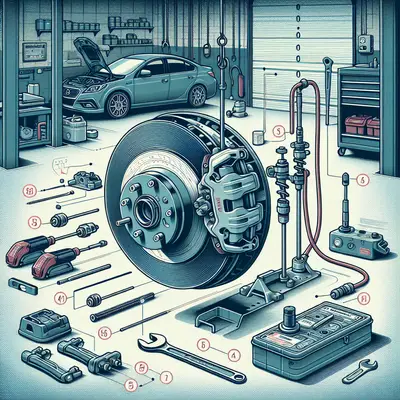
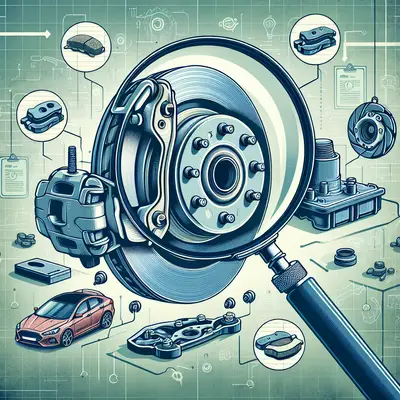
Brake components wear in patterns that tell a story—if you choose to read it. Even, symmetrical wear across pads and rotors points to a system operating harmoniously. Uneven wear, glazing, grooves, or hot spots reveal issues that may not yet be audible or obvious from behind the wheel.
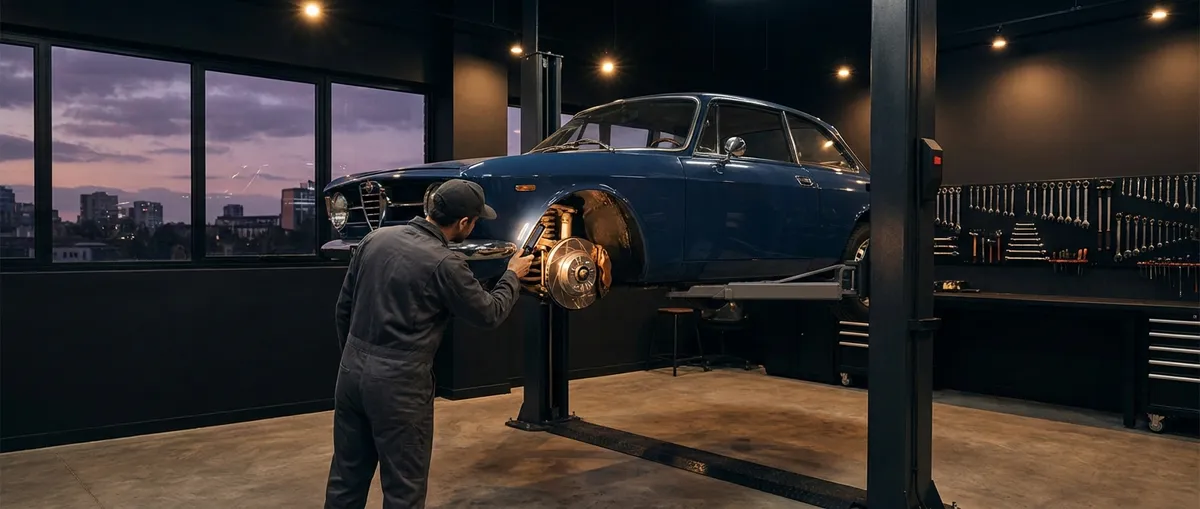
An occasional visual inspection—performed by a trusted professional or during scheduled service—can identify early signs of imbalance. Inner and outer pads should show comparable wear; a pronounced difference can indicate caliper slide binding, sticking pistons, or misalignment. Rotor surfaces should be smooth and consistent; noticeable ridges, discoloration, or a bluish hue suggest excessive heat or localized pressure.
When replacing pads, consider the system as a balanced pairing rather than a collection of individual parts. High‑quality pads matched appropriately to rotor material and driving style can reduce noise, minimize dust, and improve modulation. For discerning drivers, consistent, predictable friction characteristics count just as much as pure stopping distance.
By treating the interface between pads and rotors as a carefully managed geometry rather than a disposable wear point, you maintain not only safety but the refined, confidence‑inspiring feel that sets well‑maintained brakes apart.
Silent Surveillance: Using Sound and Vibration as Early Warnings
Refined brake care is not only visual and tactile; it is also acoustic. The sounds and subtle vibrations that accompany each stop are often the earliest clues that something is changing.
Light, occasional squeaks in damp conditions can be normal, especially with certain pad compounds. However, persistent squealing, scraping, or grinding calls for immediate attention. Many pads include wear indicators that intentionally produce a high‑pitched noise to signal that replacement is due long before rotor damage occurs.
Vibration—especially under moderate braking at highway speeds—can indicate rotor thickness variation, uneven deposits, or misalignment. Rather than accepting this as mere “old car” behavior, a precise driver investigates. Addressing minor imperfections early may prevent more extensive machining or premature component replacement.
Creating your own “sound and feel baseline” is an elegant, low‑tech form of surveillance. Pay attention to how the car behaves during routine stops today, so that the smallest divergence in sound or vibration is noticed tomorrow. This habit transforms you from a reactive owner into a proactive steward of your vehicle’s most vital safety system.
Conclusion
Brake maintenance, at its most refined, is not defined by urgent repairs but by the absence of surprises. It is the quiet assurance that every press of the pedal will deliver exactly the response you expect—predictable, composed, and controlled. By attending closely to pedal feel, managing heat with intention, elevating brake fluid to its rightful importance, reading wear patterns with discernment, and listening carefully to sound and vibration, you create a standard of care that transcends routine servicing.
For the driver who values both safety and sophistication, these habits are not indulgences—they are the foundations of a more confident, assured experience behind the wheel.
Sources
- National Highway Traffic Safety Administration (NHTSA) – Brake Safety - Federal guidance on brake systems, safety considerations, and component performance
- Your Car’s Brakes – University of Washington - Educational overview of brake system components and how they function
- Mobil – Why Changing Brake Fluid Is Important - Explains brake fluid properties, moisture absorption, and service intervals
- Brembo – Brake System Technical Insights - Technical explanations of brake operation, heat, and performance from a leading manufacturer
- Advance Auto Parts – Signs of Brake Wear - Practical indicators of brake wear, noise, and vibration drivers should watch for
Key Takeaway
The most important thing to remember from this article is that this information can change how you think about Maintenance.