For the attentive driver, a brake pedal is more than a control—it is a quiet contract with physics, engineering, and personal safety. While most motorists wait for a warning light or a squeal, the more discerning owner understands that real brake safety is cultivated long before a crisis stop. This article explores how to think about your brake system with the same precision you bring to your driving, and offers five exclusive, high-level insights that elevate your approach beyond routine maintenance.
Understanding the Modern Brake System as a Complete Ecosystem
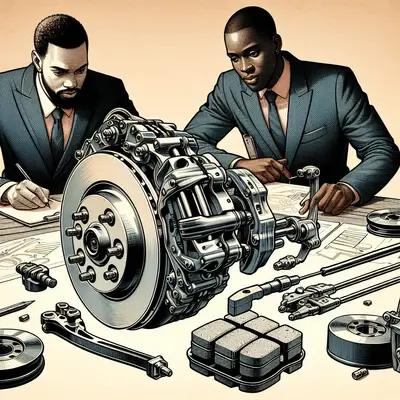
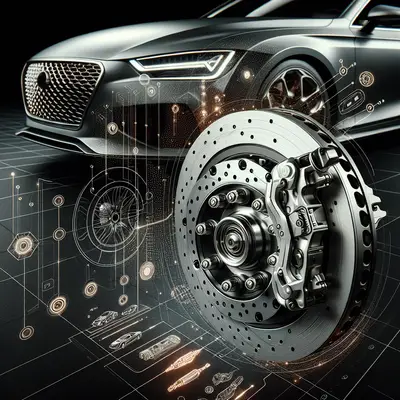
Your brake system is not a collection of isolated parts; it is an ecosystem where hydraulic pressure, friction materials, heat management, electronic modulation, and chassis dynamics all intersect. The brake pedal, master cylinder, brake lines, calipers, pads, rotors, fluid, ABS module, and electronic stability systems are continuously “in conversation” with one another.
When you press the pedal, you are initiating a fluid-borne translation of force that has to remain stable under heat, repeated use, and changing road conditions. Even minor degradations—slightly contaminated fluid, a marginally warped rotor, a caliper that retracts less smoothly than intended—can cumulatively alter pedal feel and stopping distance. The refined owner pays attention not only to obvious symptoms, but to subtle shifts in feedback: the difference between a pedal that feels “reassuringly solid” and one that is merely “acceptable” is often the difference between a system that is merely functioning and one that is truly optimized for safety.
Exclusive Insight #1: Brake Fluid as a Precision Component, Not a Consumable Afterthought
Many drivers treat brake fluid as an invisible commodity, addressed only when a warning appears. In reality, it is one of the most critical precision components in your vehicle. Brake fluid is hygroscopic—over time, it absorbs moisture from the atmosphere through hoses, seals, and reservoir vents. That moisture lowers the boiling point of the fluid, increases corrosion risk inside lines and calipers, and can cause spongy pedal feel under heavy braking.
For the safety-conscious owner, fluid management is a discipline, not a chore. Rather than simply “checking the level,” consider:
- The age of the fluid relative to the manufacturer’s recommended change interval (often 2–3 years, even if mileage is low).
- The type of fluid required (DOT 3, 4, 5.1) and avoiding mixing incompatible types.
- The driving profile: repeated mountain descents, towing, or spirited driving all justify more frequent fluid changes.
Professionally performed brake fluid testing (measuring moisture content or boiling point) offers a more sophisticated assurance than visual inspection alone. Treating fluid as a high‑value safety asset helps maintain consistent pedal response, especially when you most need it.
Exclusive Insight #2: Heat Management as the Invisible Guardian of Stopping Power
Every time you slow the vehicle, kinetic energy is converted to heat in the pads and rotors. This heat must be managed carefully; when it is not, performance quietly erodes. Excessive heat can cause brake fade, glazing of pads, rotor hot spots, and, over time, hairline cracks or warping that may not be visible at a glance.
Owners with a refined approach to brake safety think in terms of “thermal strategy”:
- Avoiding unnecessary long, light braking on descents in favor of shorter, firmer applications interspersed with cooling intervals.
- Being mindful of carrying heavy loads or towing trailers, which dramatically increases thermal stress on the system.
- Recognizing the early feel of fade: a pedal that begins to travel farther, or a slight loss of bite after repeated high‑speed stops.
In high-demand scenarios (steep hills, hot climates, performance driving), it’s prudent to discuss higher‑temperature‑tolerant pads and rotors with a professional. A system calibrated for your actual driving pattern, rather than just your vehicle model, is a meaningful upgrade in real‑world safety.
Exclusive Insight #3: The Brake–Tire–Suspension Triangle and Why It Matters
Brakes do not stop the car; they stop the wheels. The tires and suspension determine how effectively that deceleration reaches the road. A sophisticated safety strategy therefore considers the brake system as one side of a critical triangle: brakes, tires, and suspension.
Underrated factors include:
- Tire quality and condition: a premium braking system paired with worn, budget, or seasonally inappropriate tires will never deliver its designed stopping distances.
- Tire pressure discipline: under‑ or over‑inflation can lengthen stopping distances and destabilize emergency stops.
- Suspension health: worn shocks, bushings, or control arms allow weight transfer and wheel movement that can unsettle the vehicle under hard braking, especially in corners or on uneven surfaces.
Owners who take brake safety seriously often schedule tire, alignment, and suspension evaluations in concert with major brake inspections. The result is a vehicle that does not merely stop, but does so with composure—shorter distances, a straighter line, and less drama when it matters most.
Exclusive Insight #4: Reading Subtle Signals Before They Become Symptoms
While squeals, grinding, or dashboard warnings are obvious concerns, truly proactive owners learn to interpret far more subtle messages from their brakes. These often show up in everyday driving, long before a failure or formal alert:
- Micro‑vibrations in the steering wheel or pedal at certain speeds, suggesting early rotor irregularity or uneven pad deposits.
- A slight lateral pull under firm braking, hinting at caliper imbalance, uneven pad wear, or tire/suspension discrepancies.
- Gradual pedal “softening” over months rather than days, which can indicate fluid degradation or a developing hydraulic issue rather than a sudden leak.
- A faint change in the initial “bite” when applying the pedal, especially after rain or a car wash, signaling pad or rotor surface changes.
Logging these impressions—mentally or even in a simple note—allows you to convey precise feedback to your technician. This kind of disciplined observation often turns what could become an emergency repair into a scheduled, controlled service visit.
Exclusive Insight #5: Elevating Brake Service Standards Beyond the Basic “Job”
Not all brake services are created equal. The difference between a quick pad-and-rotor replacement and a thorough, high-standard brake service can be measured in safety margins and long‑term reliability. A refined service philosophy might include:
- Demand for quality components: pads and rotors that meet or exceed OEM specifications, rather than the cheapest available option.
- Attention to hardware: replacement or proper reconditioning of slide pins, clips, shims, and anti-rattle hardware to ensure even pad wear and consistent operation.
- Caliper condition verification: inspecting for sticking pistons, torn dust boots, and uneven movement that can silently compromise performance.
- Precision cleanliness and lubrication: the correct, high‑temperature lubricants in the right places, and no contamination on friction surfaces.
- Road testing with intention: confirming pedal feel, noise behavior, ABS engagement, and straight-line stability after service—not just a quick loop around the block.
Owners can elevate their braking standards by having a clear conversation with their service provider: ask how they address hardware, how they verify caliper health, and whether they road-test the vehicle specifically for brake performance. This transforms a routine repair into an investment in predictable, premium safety.
Conclusion
Brake systems reward those who pay attention to nuance. When you treat your brakes not as a set of parts to be replaced occasionally, but as a finely balanced safety instrument, your entire relationship with driving changes. You begin to notice the consistency of pedal response, the composure under hard stops, the quiet absence of drama in emergency maneuvers.
By respecting brake fluid as a precision medium, managing heat wisely, honoring the brake–tire–suspension triangle, reading subtle signals, and insisting on elevated service standards, you cultivate a layer of safety that most drivers never experience. It is a quiet luxury: the assurance that the system beneath your foot is not merely functioning, but performing with the refinement your driving deserves.
Sources
- NHTSA – Brakes and Safety – U.S. National Highway Traffic Safety Administration overview of brake system safety and components
- U.S. Department of Energy – How Do Brakes Work? – Technical but accessible explanation of braking fundamentals and energy/heat conversion
- AAA – Brake System Inspection and Maintenance – Guidance on brake inspections, fluid, and service considerations for vehicle owners
- SAE International – Brake Fluid and Vehicle Braking Performance – Engineering-focused discussion of brake fluid behavior and its impact on braking performance
- Tire Rack – How Suspension Affects Braking – Explores the relationship between suspension, tires, and braking effectiveness
Key Takeaway
The most important thing to remember from this article is that this information can change how you think about Brake Systems.